







The Benefits of Online Psychiatry for Busy and Remote Patients
In our modern society, it seems impossible to find time to take care of mental health. Amidst the pressure of work hours, family life, and the additional strain of working remotely, most people find it difficult to focus on the emotional side of their well-being. Online psychiatry has a radical solution that lets mental health treatment be convenient and available without interfering with your life. Virtual psychiatric care is not only useful to busy professionals and remote workers but can be the difference between struggling and succeeding.
Breaking Down Barriers to Care

The conventional psychiatric visit costs a lot of time. You have to travel to a place of work, wait in a lobby, go to the session and go back to work- sometimes it seems that you spend a whole afternoon on a one-hour appointment. This model is especially irritating to the remote workers who may have to deal with several time zones or the necessity to work irregular hours. Online psychiatry has done away with these barriers. Unless patients need to be present at the office, they can use their home office, bedroom, or even during a trip and only have to have a secure internet connection and fifteen minutes prior to the appointment and fifteen minutes after.
This has been shown to enhance adherence to treatment significantly as a result of this convenience. Research has indicated that flexible scheduling decreases missed appointments by a substantial percentage which leads to a continuous and uninterrupted provision of mental health services. To people dealing with depression, anxiety, ADHD, or even trauma, continuity is the key.
Solitude and Coziness at Home

The fear of visiting a clinical setting or stigma is another reason why many individuals fail to seek psychiatric care in time. The Telepsych Health has realized that when you are getting treatment in the comfort of your own home, with their privacy, it can fundamentally alter the way you interact with your treatment provider. In a safe and familiar setting you will be able to talk about sensitive problems more directly and complete. This increased comfort is directly transferred to better treatment.
Virtually psychiatry also deals with social anxiety and agoraphobia, which may render it so hard to leave home. The cases that would not have sought any care at all can now receive the best psychiatric services in the globe without experiencing their symptoms.
Accessibility and Cost-Effectiveness
Psychiatry online causes a big decrease in out-of-pocket costs. You get rid of transportation expenses, parking charges and lost working time. In most insurance plans, telehealth sessions require less money compared to face to face visits due to low overheads of the providers. This reduces cost, and thus psychiatric services are made accessible to a wider section of the population, especially those who lack adequate insurance cover or live within under-served geographic locations.
Adaptability to Changing Life Patterns

Employees who are at home and those who are busy have different scheduling problems. Virtual psychiatry supports evening, weekend and early morning appointments- features that are hardly accessible in official offices. This is because it allows you to get care with your work deadlines, family commitments, and other commitments in life and not to mold your life on the basis of your mental health sessions.
Continuity and Integrated Care
Through online, communication between sessions is easily made possible by securely on-line messaging that lets you get in touch with your provider regarding any side effects of medication, breakthrough symptoms, or any urgent situations. You have regular contact with your psychiatrist regardless of the travel, relocation or any other disruption of life that could otherwise disrupt your treatment.
Conclusion
Online psychiatry embodies a radical transformation in the way mental health services may be provided – and one that, finally, makes treatment compatible with the nature of contemporary life. Virtual psychiatric services are available to busy workers and those who work remotely and offer them an accessible, private, and affordable treatment without compromising the quality or therapeutic effect. In case of work requirement, distance, and scheduling issues made you not find the mental health care that you deserve, online psychiatry will provide you with a convenient route to quality care and emotional stability.

How to Know When It’s Time to Get a Professional Roof Inspection
The roof is the first line of defense of your house, which protects your family and your possessions against precipitation, wind, snow and extreme temperatures. Although it is a very important aspect of a house, it is usually one of the most overlooked parts of a house until something goes terribly wrong. It may not help to wait until a leak shows up on your living room floor before repairing it becomes a very expensive affair that would otherwise have been avoided. The first step of being proactive with the maintenance of a roof is to notice the indications that the profession of the roof requires a check-up.
Easily Noticed Shingle Damage and Age

The physical state of the shingles can be viewed as one of the most obvious indicators in case your roof requires attention. It is possible to notice the possible problems at the ground quite often without climbing a ladder. Search through shingles that are pealed or twisted, or lost. When you find dark spots and patchy spots on your roof, this may be an indicator of the wearing away of the protective granules that leave the asphalt vulnerable to the harmful UV rays of the sun.
Another crucial criterion is age. The life span of most asphalt shingle roof is 20-25 years. When your roof comes to this age bracket, it is prudent to book an evaluation despite the fact that there could be no evident failures. A professional will be able to offer a comprehensive roof quote which will specify the condition of your system and whether a basic repair or a complete replacement is the most cost efficient route to take. This is a proactive move in ensuring that you budget yourself on future work than being taken by surprise by an emergency.
Interior Warning Signs

In some cases, the most indicative roof trouble would show up indoors and not outdoors. The presence of water spots on your walls or ceiling is a unique red flag that moisture has broken the level of protection of the roof on your home. These spots are usually similar to yellow, brown or gray rings. Not every leak, however, leads to the de facto dripping to the eye; some lead to the appearance of peeling paint or wallpaper, especially around the ceiling line.
It is also useful to check your attic in a regular basis. On a sunny day enter your attic and see whether you can find beams of light pouring through the roof boards. Provided that light is capable of entry, then so can water. When you are there, look at the insulation or wood rot on the rafters to see whether there is any sign of moisture. The musty smell in the attic is also a sign that the place is poorly ventilated or the moisture is trapped and that may ultimately affect the structural integrity of your roof over the time.
After Severe Weather Events
One of the causes of premature roof failure is storms. Strong winds may blow off the shingles and break the sealant that is used to fix the shingles whilst the hail may bruise the shingles resulting in eventual decay. It is possible that your roof may appear to be alright following a terrible storm, but the damage could be so minimal that the eye would not notice it.
After any significant weather event, be it a heavy hailstorm, a warning of a tornado, or a heavy snow load that causes a blizzard, it is only wise to request the services of a professional. They are experienced in detecting undetected harm that would cause leakages in the weeks or months to come.
Conclusion
Your roof is an investment into the life of your home and safety. Through shingle inspections, checking the inside of your house to check the presence of water, and inspections of the house following extreme weather, you will be able to detect the minor problems before they develop into a massive disaster. Professional inspection at the right time gives tranquility and assurance that your “nest” will be safe and dry in many years to come.

Why Your Website Design Matters More Than You Think
Website design does not end at an aesthetic decision; it is an important factor in how people will perceive your brand, how they will experience your content, and how they will make a final decision to use or not to use your products or services. In the current digital age, when people tend to make first impressions online, the way your site is designed may matter more than you may believe.
First Impressions Shape User Perception

As soon as the visitors come to your site, they form the opinion basing on what they see. It has been observed that within seconds users form snap judgments about the credibility and professionalism of a particular site. A stylish and properly structured design sends a message of reliability and efficiency, whereas any old-fashioned or messy interface can send the client away within a minute. This first impression influences the willingness of the users to further visit your site, bouncing rates and general interaction.
Enhancing User Experience Through Intuitive Design
Website design is not all about appearance, but enhances usability. With a convenient site that is easy to manoeuvre, the user is able to locate what he wants without stress. Categorical menu system, explicit call-to-actions, and rational designs decrease confusion and simplify the user experience. Conversely, inappropriate design decisions such as font inconsistencies, unclear navigation, and slow loading pages interrupt the process and make people leave your website. Harmonious user experience makes the visitors spend more time on the webpage and have higher chances of conversion.
Mobile Responsiveness Is Non-Negotiable

As the number of people browsing on their smartphones and tablets increases, a mobile-friendly site is inevitable. Responsive design has the advantage of making sure that your site is flexible to various screen sizes and devices. A site that is beautiful on the desktop but not mobile cannot attract a significant portion of the audience. Mobile responsiveness also impacts search engines ranking because search engines rank sites that have good mobile experience highly. Responsive design is therefore not just reaching many people, but also your SEO work.
Building Brand Identity and Recognition
The customers frequently experience your brand on your site. The design aspect, color schemes, typography, imagery and style should always be in accordance with your brand identity. Design consistency will assist in building brand recognition and loyalty with time. Once the users identify with and feel the purpose behind your brand visual language, they will be more inclined and feel safe to select what you are offering. Varying or generic designs can render your brand as being unmemorable or unreliable by your potential customers.
Boosting Search Engine Optimization (SEO)
Web site design has SEO implications that are not immediately obvious. Search engines give preference to websites that are fast loading, easy to browse and integrate user friendly structures. The semantic code is clean and the design features are easily accessible so that search engines can index your content. The correct use of headings, image alt text as well as mobile optimization or the elements that are directly related to web design makes your presence more visible on the search results. Having a well-designed site, thus, has twofold purposes: to be attractive to visitors and to satisfy the algorithms of search engines.
Increasing Conversion Rates and Business Growth
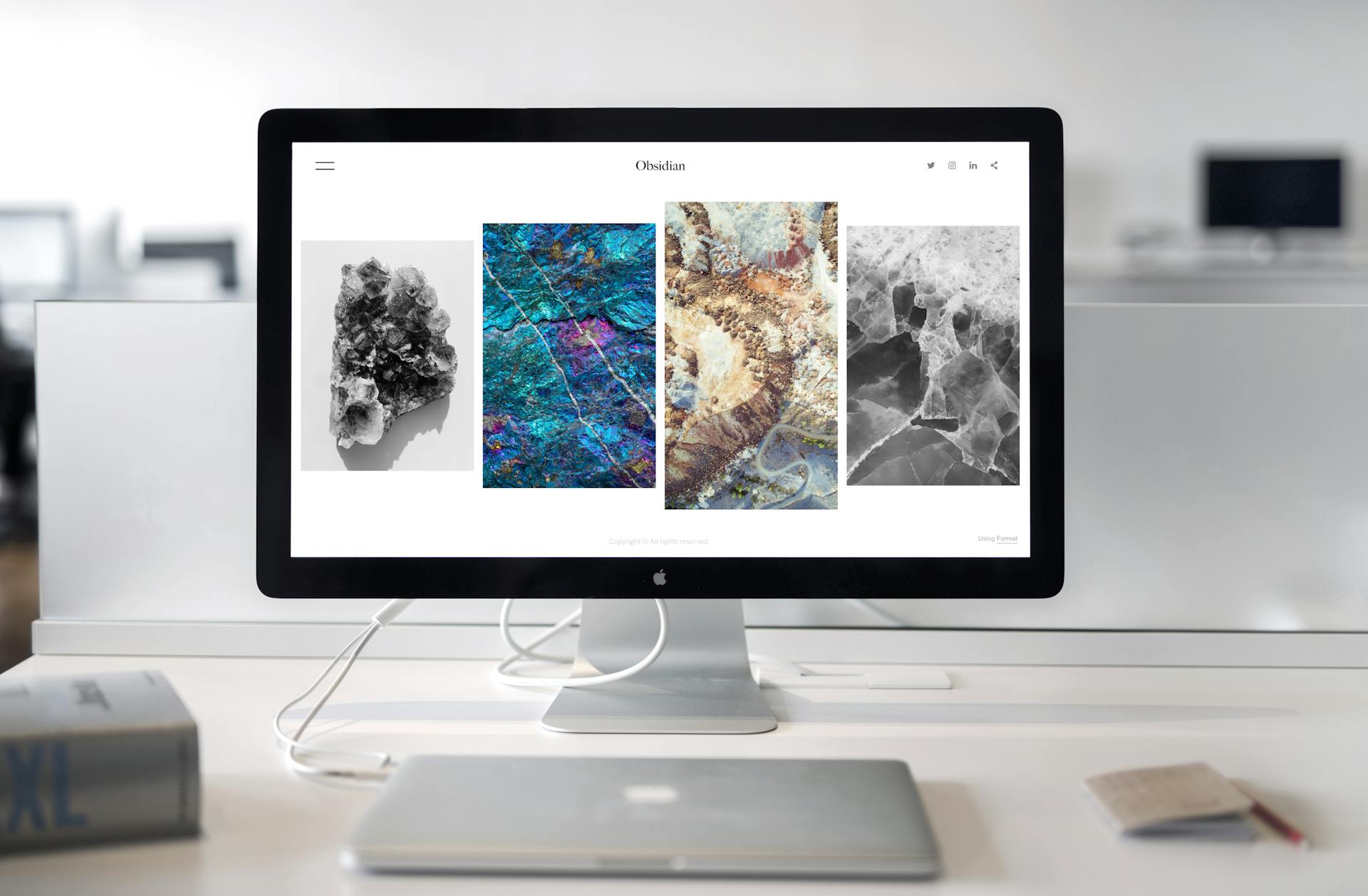
Finally design of your web site can have a great bearing on your business objectives. As much as you desire your users to either make a purchase, fill in a contact form, or subscribe to a newsletter, or seek a quote an excellent design will move the visitors towards these intents organically. Obvious visual hierarchy, convincing calls to action and well-placed content are collaborative factors that promote conversions. Misdesign may provide obstacles, and good design can eliminate resistance and compel users to make choices, which directly influence revenue and growth.
Staying Competitive in a Crowded Market
Your site becomes the point of contention in most industries. A design that may seem out of date or unsophisticated may lead users to think your business is out of date or even not as professional as their competitors. Regular updating of your site design should be done so that it remains up to date, contemporary, and in touch with the latest trends that translate into the fact that your business is lively, thinking, and adaptable. This competitive advantage will have more visitors, credibility, and make you shine in a crowded digital market.
In a word, the role of website design goes way beyond making a Web site look good. It affects the perception, usability, mobile access, branding, SEO, conversions, and competitive positioning. A lot of businesses that want to succeed in the internet should invest in intelligent, user-friendly design of websites. Your site is identities of your brand and its professionalism, and it is worth considering as a strategic asset that can open the possibilities of growth and success in the long run.

Top Web Development Trends Shaping 2026 and Beyond
Even though it is the end of 2025, web development is changing fast due to the development of AI, performance improvements and user-focused technologies. These trends are giving quicker, smarter and sustainable digital experiences that will transform the way businesses relate with its users across the world.
AI-Driven Development Takes Center Stage

Artificial intelligent is not considered a new technology anymore, but rather an essential part of the web development processes. GitHub Copilot, an AI-powered code generation, testing, and optimization tool, allows developers to reduce time spent on development by more than half and improve accuracy. In addition to coding, AI has made it possible to personalize in real-time, predict user interfaces, and intelligent chatbots that foresee needs, which can build dynamic sites that adjust dynamically. This transformation enables the teams to be more innovative as opposed to reiterating their duties which increases productivity in industries.
Edge Computing and Serverless Architectures Dominate
Edges Edge-first architecture is a Next.js Server Components and Cloudflare Workers-powered architecture that brings the computation to users to achieve ultra-low latency. AWS and Google Cloud serverless models do not require any backend management and scale resources automatically to reduce costs. These solutions make it possible to experience the world at a global and lightning speed without causing heavy loads on a server, suitable in e-commerce and interactive applications. The serverless market is expected to explode by 2026 and become a mainstream feature of scalable and efficient web apps.
Progressive Web Apps Evolve to App-Like Experiences

The Progressive Web Applications 2.0 are advancing into full-fledged alternatives to native applications, providing offline support, push notifications, biometric security, and no app stores. They are web and mobile bestseller, loading in an instant and being compatible with various devices. Only optimized with the Core Web Vitals, PWAs decrease the bounce rates and increase the SEO, attracting additional traffic and conversions to the business.
Rise of Low-Code/No-Code and Collaborative Tools
The democratization of development is being brought about by low-code and no-code platforms, which allow non-technical teams to create complex sites in a short period through drag and drop interfaces combined with AI. Webflow and similar tools enable the designer, marketer, and developer to work together and speed up the process of prototyping and iteration. This trend does not replace coders but increases their powers enabling to concentrate on higher value custom work and accelerating the entry of startups and businesses in the market.
Sustainability and Green Coding Practices
Green development is not optional with the websites taking 2-3% of the world power. Lazy loading, minimal JavaScript and energy efficient hosting are some of the techniques that are optimized to use less energy and minimize the time. The developers are focused on the lightweight designs and green infrastructure, which meets the needs of the consumers in the eco-friendly brands. Such holistic strategy reduces the carbon footprints besides improving performance and cost savings in the long run.
Immersive AR/VR and Web3 Integration
AR and VR are integrating into web experiences, making it possible to do virtual try-ons, property tours, and interactive learning without any plugins. Web3 and decentralized applications (dApps) on blockchain, in the meantime, provide users with data ownership, which increases the level of security and transparency. By 2026, these user controlled and immersive technologies will completely change the retail, real estate and finance systems by integrating both the physical and digital world.
By adopting these trends, developers and businesses become leaders of innovation. On the one hand, AI automation and sustainable and immersive web 2026 will require flexibility to provide high standards of exceptional and future-proofed digital solutions that attract and maintain users.

How to Improve Website Speed Without Losing Quality
Speed of the websites is vital in customer retention, SEO rating and conversions, but optimization can be made to improve performance without destroying the aesthetic appeal or functionality. With the emphasis on clever tricks such as image compression, caching, and code minification, the sites can secure a load time under 2 seconds and preserve high-quality experiences.
Optimize Images for Faster Loads

Images have been identified as the biggest contributors to page weight (more than half the page weight). Use one of many tools that maintain sharpness and color fidelity to compress files in modern formats such as WebP or AVIF which are 30-50% smaller while retaining the same appearance. Use lazy loading to load off-screen images on demand when the user scrolls the page, but prioritize images above-the-fold to provide the feeling of immediate speed. Store host media on CDNs rather than local servers to prevent bandwidth overload and crisp visuals will load quickly all over the world.
Leverage Caching Strategies Effectively
Caching the static resources such as CSS, JavaScript and images on the devices of users or edge servers significantly reduces duplicate load times. Brower caching enable browser long expiration header of unchanging files, and pre-rendering of pages with server-side tools such as WP Rocket on dynamic websites. This is a technique that provides quality content in a shorter time during the next visit, and the design parameters are not changed to score higher on the Core Web Vitals indicators.
Minify and Streamline Code
Whitespace and comments add bloat to JavaScript and CSS, which can be reduced by minification to as much as 30 percent with tools such as UglifyJS or CSSNano, which do not modify any functionality. Minimize HTTP requests through file combination, inlining critical CSS and asynchronous deferment of unnecessary scripts using the attributes of async and defer. Discard unused code through audits in Chrome DevTools or PurgeCSS to have smooth and responsive interfaces without performance losses.
Adopt CDNs and Compression Protocols

The CDN spreads the resources of the closest servers, reducing latency to the audience of the whole world without causing losses in quality. Turn on Gzip or Brotli compression to reduce HTML, CSS and JS sizes by 70 percent and make files still fully functional and rich in appearance. Combine with HTTP/2 or HTTP/3 to multiplex requests, and make delivery even faster without sacrificing the interactive aspects of the result, such as animations.
Choose Efficient Hosting and Themes
Move to SSD-based, LiteSpeed optimized hosting with unlimited bandwidth to support traffic spikes with a smooth operation compared to the shared plans. Instead, use lightweight themes such as Astra or GeneratePress on websites such as WordPress that can load core functionalities quickly without compromising personalization or design. Periodically experiment with such tools as Google PageSpeed Insights to compare and optimize and ensure that quality does not decrease when the speed is increased.
Avoid Common Pitfalls with Best Practices
Avoid heavy third-party scripts through auditing and lazy-loading them and give mobile-first responsive designs with inherent support of speed a higher priority. In case of videos, it is better to use only external sources of video embedding and avoid self-hosting in order to avoid overloading the server, which would lead to a lower quality of playback. These measures will provide comprehensive changes, with quicker websites boosting interaction without taking the professionalism out of it.
With these established practices, slow sites will become fast, leading to customer loyalty and increased income generation in competitive online markets.

The Complete Guide to Responsive Web Design for Beginners
Responsive web design (RWD) is a necessity to design websites that can change effectively according to the various sizes of the screens and devices and provide users with the best possible experience no matter the type of device they have, be it a desktop, tablet, or smartphone. This method involves the use of fluid layout, flexible images and media queries that make your site look good and work everywhere and is a mandatory feature of any modern mobile driven world.
What Is Responsive Web Design?

Responsive web design refers to creating and programming websites in such a way that the arrangement and contents dynamically change depending on the size and direction of the device in use. RWD does not rely on fixed-width designs but applies relative sizes and proportions to allow the content to re-size, re-position, or even be hidden according to the viewport. This dynamic behavior produces increased readability and useability without the need to have independent mobile sites.
Core Principles of Responsive Design

Responsive design is based on three essential elements: fluid grid designs, flexible images, and CSS media queries. Fluid grids have a percentage-based width value rather than fixed pixel-value, which enables columns and containers to be scaled proportionally across devices. Flexible images do not distort and preserve their aspect ratio and size to suit the different widths of the screens. Media queries are CSS rules that use various sets of styles depending on the device features such as screen width, orientation, and resolution, which allows the developer to adjust layouts to a particular feature, such as mobile, tablet, and desktop.
Mobile-First Approach
One approach that has been advocated is to create small screen applications first and then expand to larger screens, but in a process referred to as mobile-first. It is a strategy that guarantees that websites are made as fast and friendly as possible on small devices, then gradually upgraded to bigger screens with additional resources. Going mobile-first will promote simplicity, focus on the necessary content, and minimize redundant features that can potentially slow down the speed of loading via mobile networks.
Best Practices for Beginners

To make responsive design easier to implement and get the best user experience, beginners should consider a limited number of best practices:
- Flexible and adaptive layouts: CSS Flexbox or CSS Grid.
- Delimit breakpoints to frequent screen widths (e.g., 480px, 768px, 1024px) to use media queries.
- Dynamically scale text and images with relative units such as em, rem and percentages.
- Test sites across various devices and browsers often to identify and resolve anomalies in the early stages.
- Make navigation straightforward and touchable through the use of the right-sized buttons (at least 44×44 pixels) to facilitate the use of the touch.
Tools and Resources
Novices can take advantage of visual page developers like Elementor to create responsive websites without intensive coding. Nevertheless, it is still necessary to learn the principles of CSS media queries and flexible grids to know how responsive behaviors are made and managed. The emulators of the devices and actual hardware testing are essential prior to the launch to maintain smooth cross-devices compatibility.
Being aware of and putting these principles into practice would enable novices to design websites that automatically adjust to the devices of the users to increase their accessibility, search engine optimization, and overall satisfaction. Early effort into learning responsive web design is a foundation to the successful development of modern web development.

Why Custom Websites Outperform Templates Every Time
Custom websites are better than templates because they provide better performance, maximum scalability and high user engagement resulting in increased conversions and ROI in the long term which generic designs cannot provide. Although templates provide fast installations, their excessive code and constraints slow down expansion, but custom-built systems focus on efficiency and distinctive character in the first place.
Superior Performance and Speed

Home built websites are quicker, since the programmer only writes code that is necessary, and not extraneous that adds features, which are not needed, and thus make the page load faster. Studies show that template sites can take over 3-second to load which makes 53 percent of mobile users give up on them, and custom solutions have been shown to optimize Core Web Vitals, enhancing their SEO and retention. It is a lean solution that provides smooth experiences on all devices without impairing functionality.
Unmatched Customization and Branding
Templates limit the ability to change the pre-existing design to generic designs that have been combined with competition and damage brand credibility since 75 percent of consumers base their judgment on how the company looks. Custom sites also showcase the brand identities with custom elements such as custom animations, layout, and user flows that are tailored to the audience. This customization generates forgettable experiences that lead to loyalty and stand out in saturated markets.
Enhanced Scalability for Growth
Scalability of templates fails as businesses grow and usually needs a complete rewrite to add functionality, creating downtime and additional expenses. On-demand websites are easy to scale with future-friendly architecture, include advanced integrations (e-commerce expansions or AI tools) without requiring structural changes. They can adjust to the traffic bursts and changing demands so that they maintain their performance in the growth periods.
Better SEO and Security
Custom development also allows making optimization of SEO, including clean codes, positions of keywords and quick indexing, which are more effective than templates that are slowed by duplicated codes and bad meta. Custom sites and templates are susceptible to third-party updates and platform vulnerabilities, whereas templates are more reliable and have more robust security measures. Such benefits enhance search visibility and safeguard against threats, which safeguard revenue.
Higher Conversion Rates and ROI
Custom sites have a conversion rate of up to 3x as the calls-to-action, forms and journeys are optimized to target users in contrast to templates whose strict structures fail to match with the business objectives. Custom investments though cost more at the start have better long term returns due to lower maintenance and maximum engagement which far surpasses the short term savings of templates. Companies that change templates state that bouncing is reduced and more sales are made after customization.
When Custom Makes Strategic Sense
Templates can serve as a short-term solution to startups that are more focused on fast launches, whereas custom builds are the best option to grow their business activities. Compare needs with such factors as budget, schedule, and aspirations-custom excels when one wants to gain competitive advantages in performance, security, and conversions at all times.
The choice of bespoke sites will put the companies in the path of long-term success, making online presence a significant driver of growth.

How Good UI/UX Design Can Increase Your Conversions
Good UI/UX design turns websites with unresponsive pages into conversion engines through lessening the friction levels, intending users through an intuitive approach, and building trust, which frequently triples the rate of conversion and decreases the bounces rates by creating a smooth and interactive experience.
Understanding UI vs. UX Impact
UI centers on visual representations such as buttons, colors and layouts that are appealing to the eye whereas UX involves the experience as a whole and makes it easy to navigate and get satisfaction. Collectively, they provide spaces in which 38 percent of users do not leave ugly or unintuitive websites, which directly increases activities such as purchasing or subscribing. According to the Adobe statistics, bad aesthetics is enough to send almost 40 percent of visitors away, which further emphasizes the role of refined design in keeping the attention levels and causing a conversion.
Key Principles Driving Conversions

Good designs are clear with rational menus, consistent and calls-to-action (CTAs) that are easy to notice through contrasting colors and strategic locations. White space minimizes cognitive overload, whereas any microinteraction, such as hover feedback, ensures that the user action is confirmed, reducing hesitation and drop-offs. Responsive layouts also guarantee rapid loading of pages in less than 2 seconds on devices, which is essential because mobile traffic makes up over 60 percent, and any delay reduces conversions by 7 percent per second.
Building Trust and Engagement
Trust badges, testimonials, and quality images help professional UI to create immediate credibility and invite users to continue with their work. Individualised content and user-friendly navigations will make visitors spend more time on the site reducing bounces and retention, since satisfied users will revisit and convert at a higher rate. Engaging features such as animation make it more engaging without being overwhelming and making passive viewers active participants.
Optimizing for Speed and Accessibility

Quick, easy to use designs can accommodate everyone including those with disabilities, reaching more people and gaining loyalty and meeting standards that are conducive to SEO. Easy navigation and big tappable CTAs (at least 44×44 pixels) do not frustrate touch devices, which is directly proportional to the number of exits and number of goals completed. These aspects are optimized in A/B testing using actual feedback, and gradually optimized to improve performance without trial and error.
Measuring ROI and Long-Term Gains
UI/UX investments have colossal returns as companies have reported ROI of as large as 9,900% in terms of increased satisfaction, reduced support requests, and long-term growth. Tailored optimizations save costs on future redesigns and also facilitate future expansions, such as mobile apps, so that the scalability can be achieved during traffic peaks. The businesses record 3x lifts in conversion after redesign which is an insightful design as a growth multiplier rather than simple aesthetics.
Implementing for Maximum Results
Users can be used to understand the areas of pain, and then mobile-first can be prototyped using tools that focus on hierarchy and speed. Consistently review through heatmaps and analytics to maintain wins by focusing on frictionless journeys that align images with business goals. The best UI/UX is not a luxury, but a key to turning the visitors into regular customers at a profitable rate.

The Role of SEO in Web Development: What Businesses Need to Know
SEO, which is also referred to as Search Engine Optimization, is an important aspect in web development since it makes sure that a web site is not only attractive and functional but also optimized to be ranked high in the search engines. This two-fold attention aids the businesses in capturing organic traffic, gaining visibility, and, eventually, gaining conversions by ensuring that their websites are easy to locate, utilize, and navigate.
Integrating SEO with Web Development

SEO web design can be considered as a combination of technical SEO techniques, attractive design and usability. This combination enables websites to remain appealing to the eye and still be clean and functional at the same time being search engine optimized. The consideration of the best practices of SEO at the early stages of development, including mobile-friendliness, quick loading, and clean URLs, provides a basis that makes the ranking and user experience easier. The developers will be involved with technical aspects of SEO such as semantic HTML, secure HTTPS protocols, rational site architecture, and redirect.
Key SEO Elements That Impact Development

There are several important elements of SEO that impact on the web development process directly:
- Mobile responsiveness: Since more than 60 percent of web traffic is generated by mobile devices, responsive design makes sure that your site looks and works well on any size of a screen, which search engines will also value.
- Page speed: Quick-loading sites minimize the bounce rates and enhance rankings. Developers also optimize the load times through optimization of code, caching, and hosting options.
- Structured information and metadata: Correct implementation of schema markup, title tags, and meta descriptions can assist search engines to interpret and present information in a proper way that enhances the click-through percentages.
- Clear URL structure and internal linking: They facilitate easy search engine indexing and improved navigations among users that lead to increased site visits and more conversions.
SEO’s Business Benefits in Web Development

Web development by including SEO has immense benefits to the business. It captures high purpose, organic traffic, which tends to result in improved interactions and more sales without the continued expenses of paid advertising. Optimized sites also help in improving user experience in that they make information accessible and actionable thereby building trust and motivating users to visit the site again. In addition, the development with the focus on SEO minimizes the necessity of expensive redesigns and SEO corrections in the future due to the construction of solid foundations.
Collaboration Between Developers and Marketers
SEO needs collaboration between marketers, designers, and developers. Developers are performing technical SEO and site architecture, the marketers are offering insights into the key words and content strategies. Such collaboration allows content to match the search query of users and technical factors to facilitate the crawling and indexing of search engines without any hassles. SEO audits and A/B testing are used regularly to optimize the performance of the websites continuously as they adapt to the changes in the search algorithms and user behavior.
Practical Steps for Businesses
In order to get the most out of SEO in web development, businesses must:
- Give keyword research precedence over design to inform contents and layout.
- Make sure websites are responsive.
- Make sites fast through efficient coding and high speed hosting.
- Use basic SEO features like the use of alt tags, descriptive URLs and metadata when developing.
- Ensure that there is continuous cooperation between the technical and the marketing teams to improve.
To conclude, SEO is not an add-on but a core component of web development in the modern world and plays a significant role in making a web site successful. Implementing SEO at each step of developing a web site, firms will be able to create websites that can get more traffic, keep people interested and turn leads into customers more successfully.
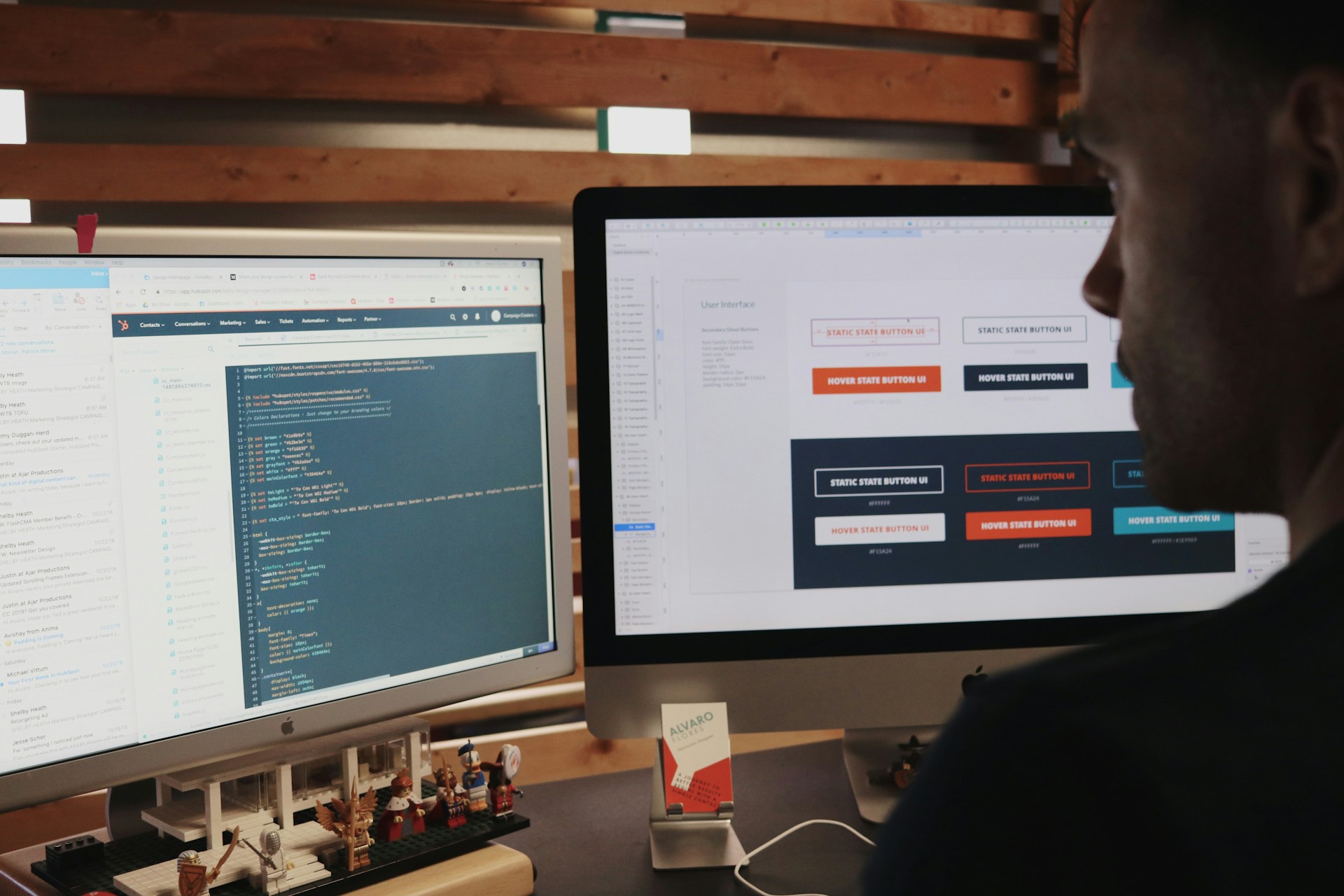
Common Website Mistakes That Hurt Your Brand (and How to Fix Them)
A potential customer will normally encounter a brand through a site and therefore it is of great importance to ensure that the site provides the customer with a good experience. Nevertheless, there are numerous pitfalls of websites that many companies make without realizing that they hurt the brand reputation and scare away customers. Realizing these traps and knowing how to correct them can significantly enhance user confidence, interactions, and conversion.
Unclear Brand Messaging
Lack of clear or completely discrepant brand messaging is one of the largest errors. Visitors who fail to grasp the essence of what a business is offering about them and get no sense of the mood and voice might end up walking away not having interacted. To correct the situation, companies ought to make sure that their site conveys a concise, specific message that targets the audience. Trust and professionalism is also strengthened by uniformity in colors, fonts and logos on the site.
Slow Website Performance
 Delays in loading pages are a frustrating experience to users, and they contribute to higher bounce rates, which is negative to search results and user experience. The unoptimized images, large amounts of scripts or bad hosting are typical causes of performance issues. Compression of images should be done properly, minimal use of plugins and scripts, and use of hosting services that can be depended on to speed up the business websites. Speed testing and repair of any bottlenecks should be done on a regular basis.
Broken Links and 404 Errors
Hypocritical links and high occurrence of 404 error pages spoil the visitors and create a negative image of a site. Such problems normally manifest themselves during page movement or deletion that lacks proper redirects, or external links that are outdated. To ensure that the site is kept clean, audits that are conducted frequently with the help of such tools as Google Search Console should be conducted to spot and remove broken links as soon as possible. Having a useful, branded 404 page with links to navigate through is a way of enhancing user experience in case of errors.
Poor Mobile Responsiveness
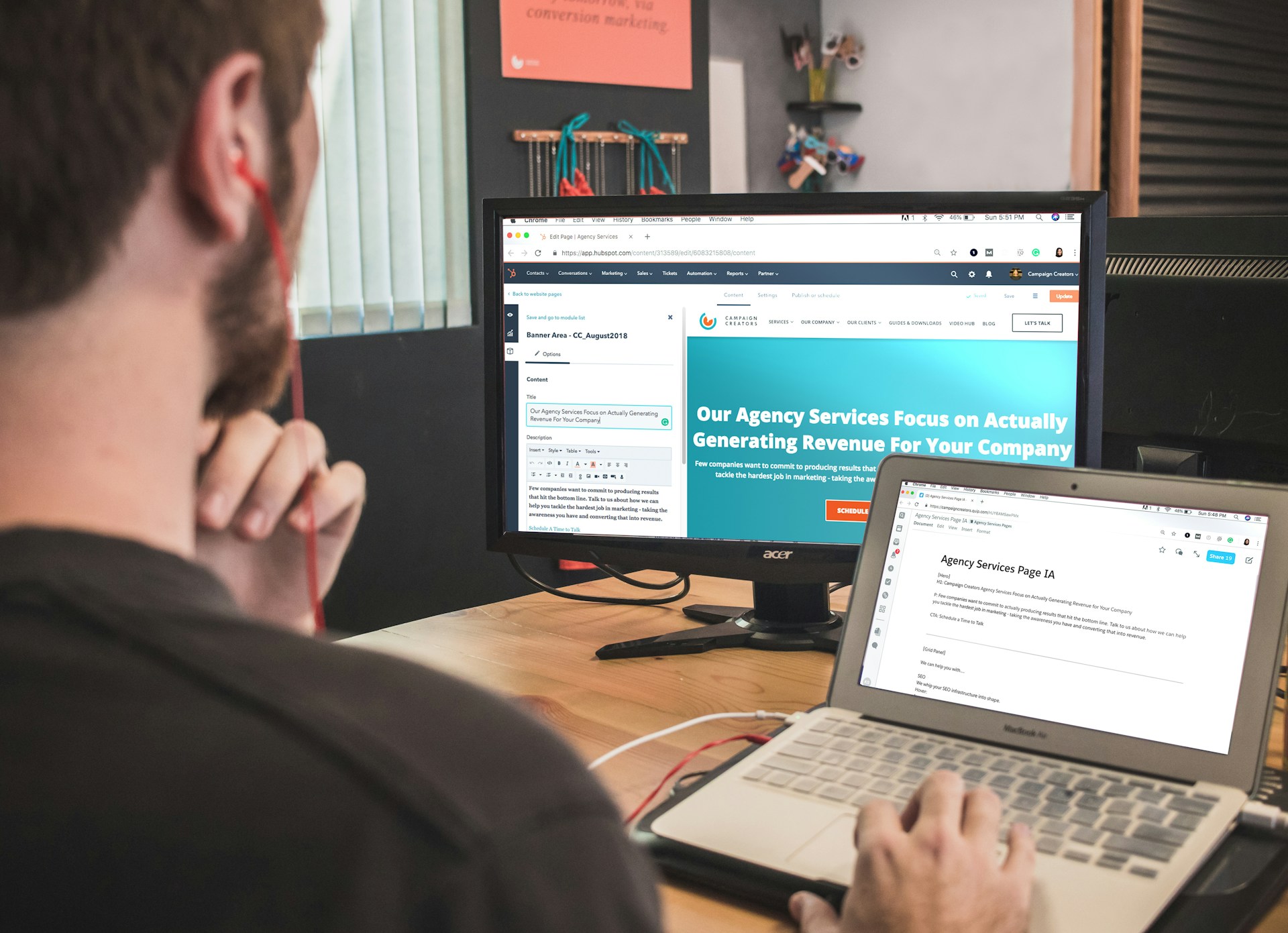
Since most of the web traffic consists of mobile devices, a site that is not mobile-friendly is sending away a large percentage of users and it loses its SEO ranking. Distorted layouts, small fonts, and hard navigation on phones or tablets are some of the problems. During development, responsive design which entails the adaptation of the site to various screens should be given priority. Periodic testing of the different devices will make sure that all visitors will be able to access and use them.
Lack of Clear Calls to Action
Several websites do not work well since they do not clearly have calls to action (CTAs), hence the visitors are not sure of the next step. Regardless of whether the user aims to purchase something, reach out to the support team, or subscribe to a newsletter, the right CTAs will help the users navigate the conversion process with ease. The CTA must be graphically noticeable, brief, and must be placed strategically on the relevant pages to achieve maximum engagement and lead generation.
Overuse of Stock Photos

The presence of generic stock photos may make the website seem impersonal and unreliable. Tourists would like to get to know the actual people, products and the real experience behind a brand. To correct this, companies must invest in professional photography which portrays their individuality or tailor stock photos so that they match brand aesthetics.
Missing Essential Information
The basic contact information like phone numbers, email address and physical addresses must be readily accessible. In the case of missing or burying this information, the customers can lose trust of the brand or fail to receive help. Having a properly structured section of the site with the contact form that is easily visible on all the pages will contribute to the establishment of trust and enhances customer relationships.
How to Fix These Mistakes
- Ensure brand messages are clear and consistent throughout.
- Enhance website performance through image compression, script reduction and quality hosting.
- Check links on a regular basis and repair or redirect broken links; maintain useful 404 pages.
- Make sure that the site is responsive and mobile.
- Make bold conspicuous calls to action that direct the visitor on the next action.
- Substitute or personalize stock photos with real brand images.
- Contact details are clearly shown in a easily accessible way.
By combating these typical site errors, it will build a stronger online brand presence, improve user experience, and achieve improved business results. A good and reliable site that is easy to use displays credibility and creates customer relationships that are long-term.