

Large top down preservation efforts from governments are valuable, but the most deeply felt projects always begin at the grassroots level. Local residents take action to protect their neighborhood landmarks and do more than just protect old brick and mortar. By engaging in community led historical preservation, people can gain the sense of pride from their heritage and contribute to the preservation of the physical history that has shaped their special towns. Regional identity thrives in these projects which have a local focus, even in the face of rapid modernization.
Cultivating Deep Civic Identity and Shared Heritage
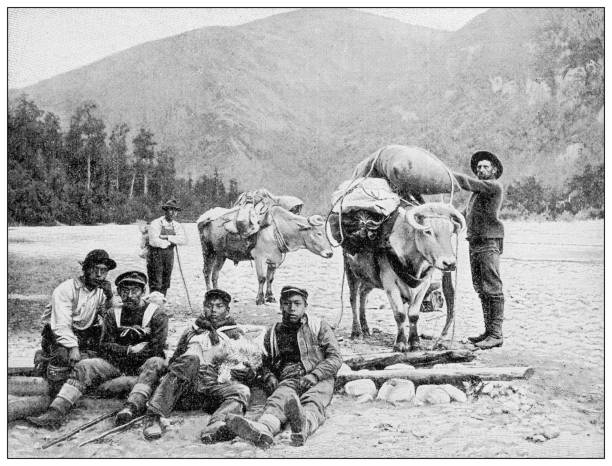
By making grassroots preservation projects, residents can take an active role in their local history and become active authors. When community groups identify a crumbling landmark or an unmarked historical space, they take direct ownership of their shared heritage. Long standing organizations like the Native Sons of the Golden West illustrate how continuous civic volunteerism can safeguard a region’s foundational narrative over centuries. This committed organization was established in 1875 to commemorate the legendary Gold Rush pioneers of 1849, and places prominent plaques and markers around the state. They collaborate closely with partners such as the California Landmark Foundation to make otherwise underutilized sites into very active and functional community classrooms.
Driving Sustainable Local Economic Development
Local projects to restore historical monuments deliver strong and long term economic benefits to cities. Mainstream developments are frequently based on commercialised architecture that is the same in all towns. On the other hand, grassroots preservation promotes the distinctive, original character of a place which makes it very appealing to cultural tourists who would like to experience the local life in a genuine way. Money is spent on independent shops, boutique hotels, and family restaurants within historic districts by tourists. This ongoing tourism investment remains in the community and demonstrates protection of ancestral architecture can have a strong and lasting impact on the economy by investing in local jobs in the future, especially for the region.
Encouraging Environmental Responsibility Through Structural Reuse

Community led preservation projects also offer a great structural benefit for our natural environment—they promote sustainable building practices. The demolition of historic structures adds tons of heavy debris to landfills and the building of new structures requires a tremendous amount of energy in the industrial sector. Often grassroots projects take advantage of adaptive reuse – where the original purpose of an old building is updated for new uses while the exterior remains completely intact. When stone, brick and timber foundations are established, they can be saved and carbon emissions reduced, as well as the conservation of natural resources. This localized commitment to preservation proves that respecting the past aligns perfectly with contemporary green building standards across our modern society.
Bridging Intergenerational Gaps through Direct Action
The most powerful of all the effects of local history activities are their power to bring together different generations united by a common task. But when it comes to cleaning a landmark, senior citizens, working professionals, and young students can gain a lot from each other in the process, and make great connections. The older residents bring their fascinating personal histories and background to the table, and the younger volunteers offer new physical vitality and outreach capabilities in the “digital world.” This partnership comes with a real sense of respect and is a way to pass on the lessons of the past to tomorrow’s leaders.
Conclusion
Community led historic preservation is more than just about the preservation of historic landmarks and structures. Grassroots heritage projects promote sustainable communities, foster economic development and regeneration, and act as a connecting force for generations. Local volunteers invest their time to commemorate significant milestones and history, and make it possible to keep our cultural heritage alive today. These protected areas serve as a testament to people’s resilience and their sense of community pride. Preserving some of our unique regional stories now will ensure that these stories are alive and inspiring for the future generations who will receive our towns throughout the country.