


Website design does not end at an aesthetic decision; it is an important factor in how people will perceive your brand, how they will experience your content, and how they will make a final decision to use or not to use your products or services. In the current digital age, when people tend to make first impressions online, the way your site is designed may matter more than you may believe.
First Impressions Shape User Perception

As soon as the visitors come to your site, they form the opinion basing on what they see. It has been observed that within seconds users form snap judgments about the credibility and professionalism of a particular site. A stylish and properly structured design sends a message of reliability and efficiency, whereas any old-fashioned or messy interface can send the client away within a minute. This first impression influences the willingness of the users to further visit your site, bouncing rates and general interaction.
Enhancing User Experience Through Intuitive Design
Website design is not all about appearance, but enhances usability. With a convenient site that is easy to manoeuvre, the user is able to locate what he wants without stress. Categorical menu system, explicit call-to-actions, and rational designs decrease confusion and simplify the user experience. Conversely, inappropriate design decisions such as font inconsistencies, unclear navigation, and slow loading pages interrupt the process and make people leave your website. Harmonious user experience makes the visitors spend more time on the webpage and have higher chances of conversion.
Mobile Responsiveness Is Non-Negotiable
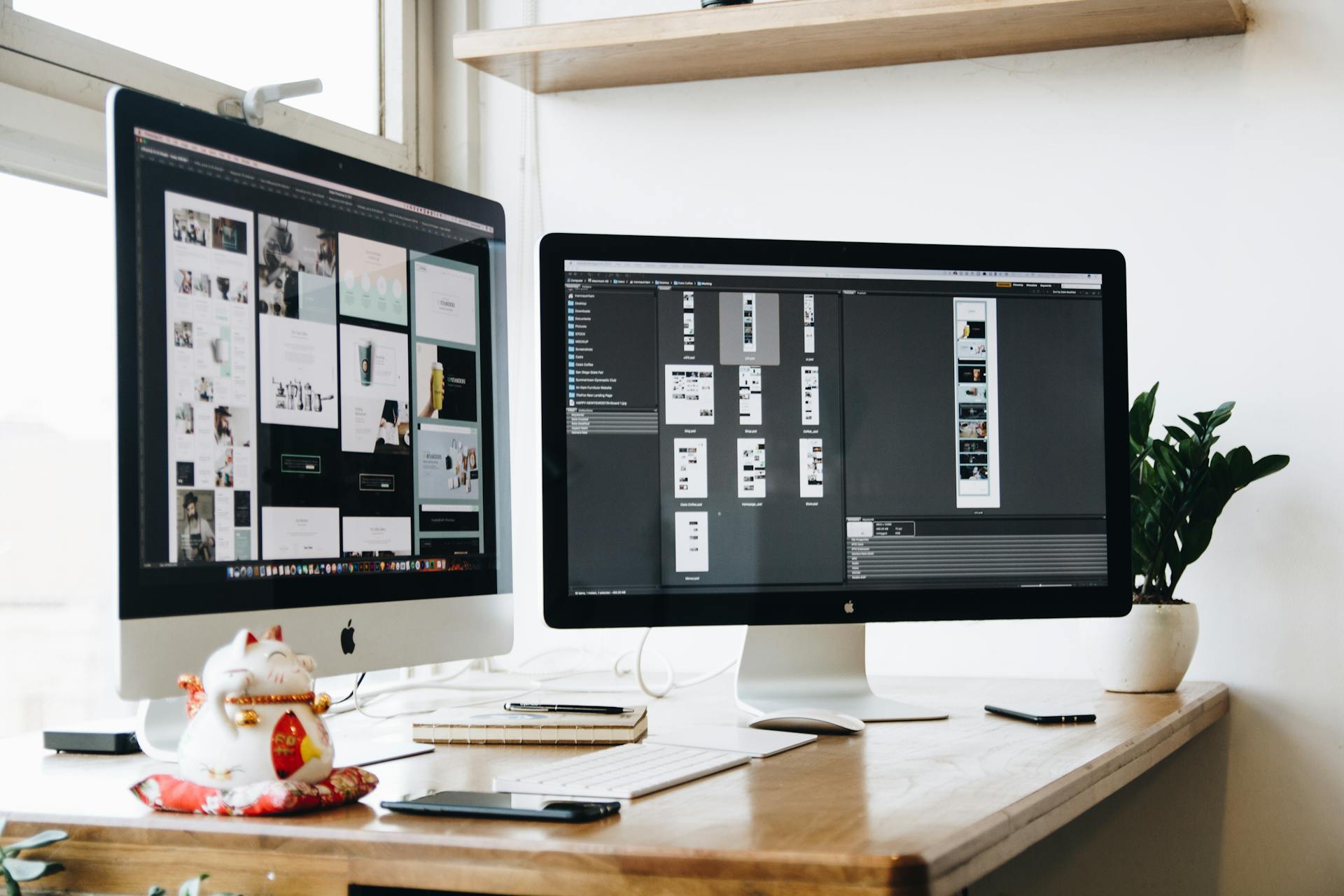
As the number of people browsing on their smartphones and tablets increases, a mobile-friendly site is inevitable. Responsive design has the advantage of making sure that your site is flexible to various screen sizes and devices. A site that is beautiful on the desktop but not mobile cannot attract a significant portion of the audience. Mobile responsiveness also impacts search engines ranking because search engines rank sites that have good mobile experience highly. Responsive design is therefore not just reaching many people, but also your SEO work.
Building Brand Identity and Recognition
The customers frequently experience your brand on your site. The design aspect, color schemes, typography, imagery and style should always be in accordance with your brand identity. Design consistency will assist in building brand recognition and loyalty with time. Once the users identify with and feel the purpose behind your brand visual language, they will be more inclined and feel safe to select what you are offering. Varying or generic designs can render your brand as being unmemorable or unreliable by your potential customers.
Boosting Search Engine Optimization (SEO)
Web site design has SEO implications that are not immediately obvious. Search engines give preference to websites that are fast loading, easy to browse and integrate user friendly structures. The semantic code is clean and the design features are easily accessible so that search engines can index your content. The correct use of headings, image alt text as well as mobile optimization or the elements that are directly related to web design makes your presence more visible on the search results. Having a well-designed site, thus, has twofold purposes: to be attractive to visitors and to satisfy the algorithms of search engines.
Increasing Conversion Rates and Business Growth
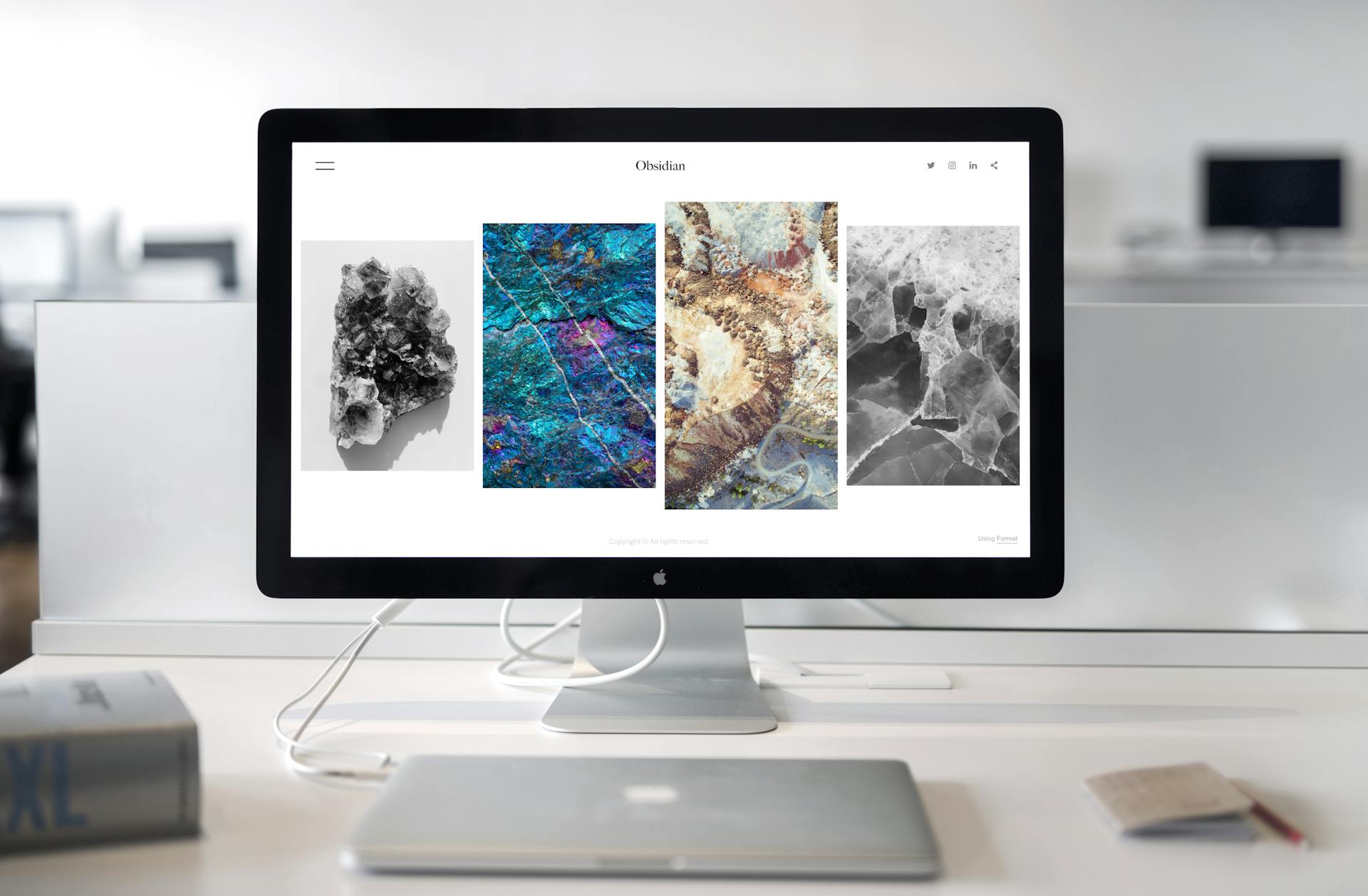
Finally design of your web site can have a great bearing on your business objectives. As much as you desire your users to either make a purchase, fill in a contact form, or subscribe to a newsletter, or seek a quote an excellent design will move the visitors towards these intents organically. Obvious visual hierarchy, convincing calls to action and well-placed content are collaborative factors that promote conversions. Misdesign may provide obstacles, and good design can eliminate resistance and compel users to make choices, which directly influence revenue and growth.
Staying Competitive in a Crowded Market
Your site becomes the point of contention in most industries. A design that may seem out of date or unsophisticated may lead users to think your business is out of date or even not as professional as their competitors. Regular updating of your site design should be done so that it remains up to date, contemporary, and in touch with the latest trends that translate into the fact that your business is lively, thinking, and adaptable. This competitive advantage will have more visitors, credibility, and make you shine in a crowded digital market.
In a word, the role of website design goes way beyond making a Web site look good. It affects the perception, usability, mobile access, branding, SEO, conversions, and competitive positioning. A lot of businesses that want to succeed in the internet should invest in intelligent, user-friendly design of websites. Your site is identities of your brand and its professionalism, and it is worth considering as a strategic asset that can open the possibilities of growth and success in the long run.