


California boasts a rich and colorful past that helped shape the entire nation. The state has so many amazing stories from when the people first settled in the coastal areas to the gold rush days. But in today’s fast-growing cities, many of the historic sites are at risk of disappearing forever. Preservation of these cultural jewels is a must. Caring for local heritage helps to create a sense of community and teaches lessons for the future.
Connecting Communities to Their Local Roots
Knowing where we are from helps us to know where we are going. The preservation of the historic environment fosters a sense of place and belonging for area residents. People passing by a historic marker or even a place where a mission once existed are able to relate directly to the hardships and successes of the early settlers. Dedicated organizations like the Native Sons of the Golden West work tirelessly to keep these regional memories alive. They raise awareness of local events and early pioneers and bring a strong sense of place to contemporary citizens. The common bond creates a sense of community pride and motivates residents to safeguard the distinctive regional identity.
Protecting Landmarks and Physical Heritage Sites
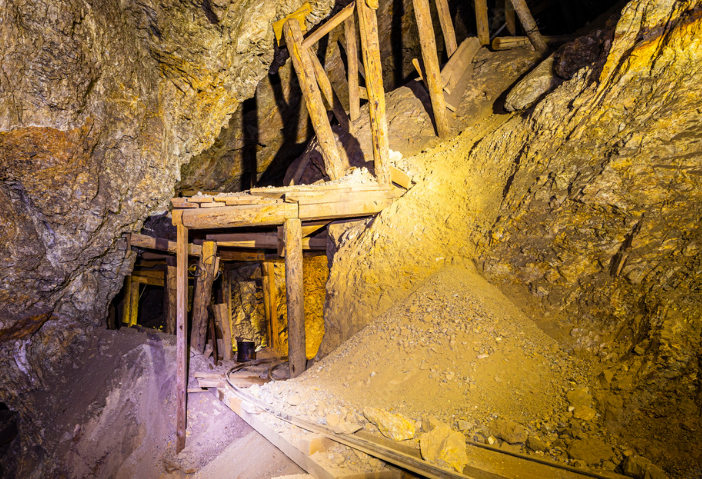
History as you read about it in a book is very different from history as you experience it in a fully restored pioneer building. But words cannot replace physical landmarks as a concrete reminder of the past shared by us all. Unfortunately, many historic structures are neglected or demolished because of decades of neglect and the need for new commercial projects. The restoration and installation of plaques will help to keep these buildings accessible to the public. Heritage groups’ restoration of old sites and gift to public stewardship result in permanent outdoor museums. The physical objects enable persons to literally “touch” the history of their great state.
Educating the Youth Through Tangible History
It is best to teach the younger ones about the past by direct experience. History comes alive and is exciting when students go to restored historic sites. They can see the lives of the early people of California, their work, and how they established the beginnings of a prosperous state economy. Young minds are encouraged to be curious and imaginative by the educational field trips to marked landmark sites. It helps make classroom lessons meaningful and memorable to the students when they see the physical evidence of the gold rush era. Educating youth on the importance of preserving their community’s heritage ensures that they will go on to support preservation in their own communities.
Honoring the Pioneers of the Gold Rush
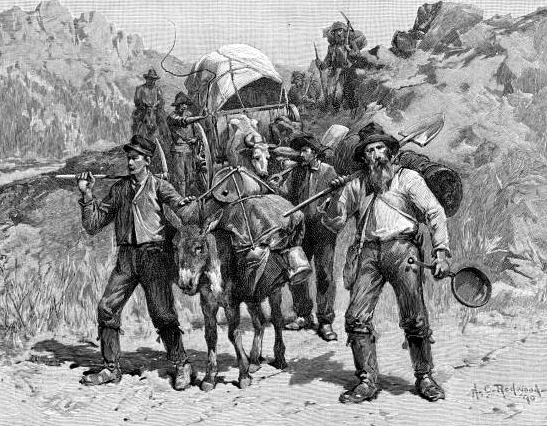
The history of the world was changed forever as California rapidly expanded in the middle of the nineteenth century. These intrepid people who ventured west were subjected to many hardships in establishing a new life in the West. These courageous explorers are an important part of the story of many devoted preservationists. Our preservation of the trails, the mining camps, and early settlements from the gold rush is a way of giving a proper and sincere acknowledgment of their great individual sacrifice. They are a source of inspiration for today’s workers who are equally challenged. They were an adventurous spirit that is an integral part of the actual California culture.
Conclusion
The heritage of lovely California is the duty of the entire community, for everyone’s advantage. We preserve a living connection to our ancestors by keeping the physical places and erecting informative plaques throughout the state. These conservation efforts link communities together, bring education to young minds, and honor the courageous pioneers who established the Great State of which we are a part. If we decide to take an active role in safeguarding our regional heritage, then we can be confident that future generations will always know and value the remarkable history of California.