

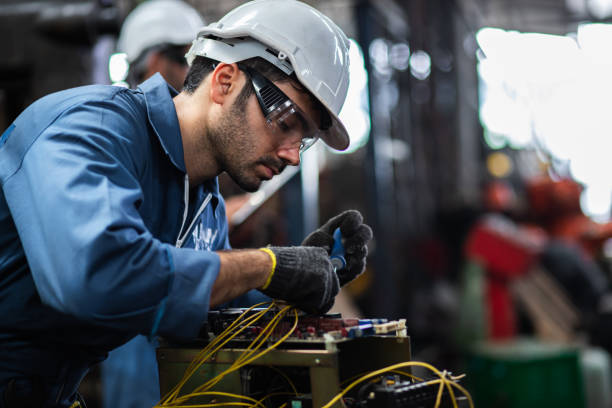
The definition of modern infrastructure is changing rapidly. Buildings are no longer just concrete and steel. Commercial facilities are now smart hubs with cutting-edge technology. This is a massive change, and necessitates an entirely new paradigm in design and construction. Consequently, the roles of the traditional engineering profession are expanding. They are making their way into the digital era to make sure physical buildings are fully equipped to host highly complicated technological networks. Where physical and digital come together, there are exciting new prospects for industry professionals all round. It is a matter of considerable expertise and hard work to build this technological future.
Merging Physical and Digital Environments
In the old days, mechanical engineering was only concerned with heating, ventilation, and plumbing systems. But the contemporary commercial property building requires far more than that. Facility owners need physical spaces that seamlessly integrate with high-speed digital networks. A skilled mechanical engineer in Edmonton Alberta, now frequently designs spaces that support sensitive IT equipment. They need to think carefully about layout and its effect on wireless signal and cable management. These experts blend their expertise in building science and current technology needs to design spaces for human and digital systems to perform at their very best. This change has shown that engineering fields need to change to fit into modern businesses.
Designing Robust IT Infrastructure
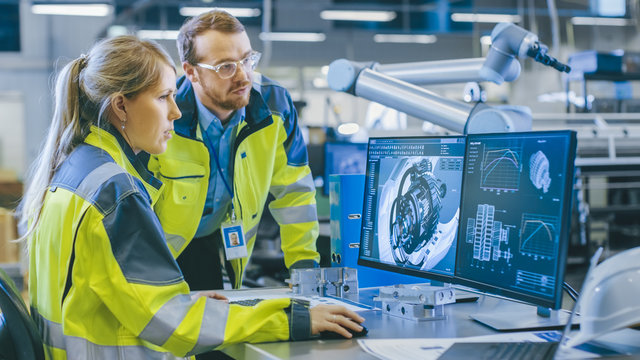
Information technology infrastructure requires precise physical planning to operate reliably. Servers produce immense amounts of heat, and miles of structured cables add to the weight of the building framework. The designers of the server room have a very strong understanding of thermodynamics and structural limitations and work out safe server rooms. They plan precise pathways for structured cabling that prevent signal interference. Mechanical engineers can accommodate thick data transmission demands in the physical space, whether it’s a company deploying a wide area network or a complex digital signage project. They make sure that hardware doesn’t overheat in cooling systems. This meticulous physical planning ensures huge financial commitments undertaken by clients are safeguarded.
Applying Advanced Project Management Strategies
The execution of such complicated technology projects demands proper organization and precise timing. As IT engineers strive to expand into IT infrastructure, they have to learn to be master project managers as well. Effective processes such as Lean Six Sigma can help reduce wasteful processes in the installation process. Advanced project management skills ensure that all of the elements from security systems to voice over IP networks are installed on time, without exceeding the corporate budget. Engineering leaders maintain a track of daily progress and identify possible bottlenecks early, ensuring massive hybrid projects go on smoothly. This rigorous discipline minimizes unexpected costs and guarantees high quality. A systematic process eliminates all guesswork from the complex construction process.
Securing and Connecting Modern Smart Facilities
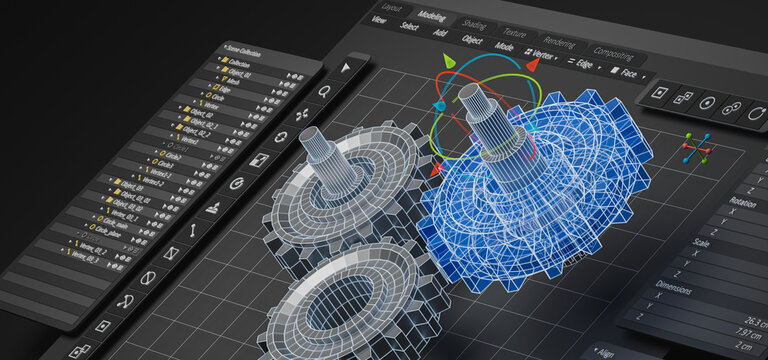
For any commercial property these days, security and connectivity are paramount. Engineers now have to create all the physical deployment for advanced surveillance systems and access control systems, at a massive scale. They strategically plan the best camera placement, both indoors and outdoors, to ensure optimal visual coverage. In addition, they plan and implement the physical structures required to ensure smooth wireless Internet connectivity throughout a huge corporate facility. Their meticulous mechanical precision ensures that AV equipment and security systems function flawlessly, without dead zones or blind spots, optimizing performance and avoiding unnecessary expenses. They have the expertise to guarantee full-fledged security links.
Conclusion
The modern world requires buildings that are just as smart as they are strong. The area of expertise of the mechanical has successfully grown beyond building systems. By embracing information technology, complex network cabling, and advanced project management, these professionals are building the future of corporate infrastructure. They seamlessly connect the real world with the digital realm. With the continued development of commercial technology, the one-of-a-kind capability to conceive, plan and design physical environments that enable complex digital networks will always be a vital asset for creating successful modern facilities for the challenges of any business day.