


Becoming a skilled surgeon requires many years of intense study and rigorous daily training. Medical textbooks are detailed and give the groundwork for the understanding of human anatomy and complex diseases. However reading about a surgical procedure is very different from performing one on a living patient. It is here that the critical factor of mentorship can come into play. Experienced doctors pass down their practical wisdom to ensure that brand new medical professionals can provide the absolute best possible patient care.
Bridging the Gap Between Theory and Practice

The factual base, provided by classroom teaching, is solid for medical students. To transition from classroom to operating room is a huge transition that needs to be directed. A great mentor translates academic concepts into real world surgical skills. For instance, an experienced professional such as Dr. Omar Marar recognizes the need for patience and clear communication when teaching complex colon and rectal procedures. Mentors take young doctors through their first cuts and explain to them the tactile qualities of human flesh. This hands-on approach enables young surgeons to learn the exact hand-eye coordination required for delicate procedures, while ensuring the safety of the surgery.
Building Confidence in High Pressure Situations
Being in the operating room is an extremely stressful place with many decisions that need to be made in a split second. Even the simplest of procedures can go wrong. The experienced mentor offers a tranquil presence during times of stress among younger physicians. They help students to regulate their anxiety and remain extremely focused when under pressure. An experienced surgeon nearby allows trainees to have confidence in their instincts and apply their knowledge appropriately. Such emotional support is as valuable as their learning in the technical aspects of their residency programs.
Navigating Advanced Surgical Technology
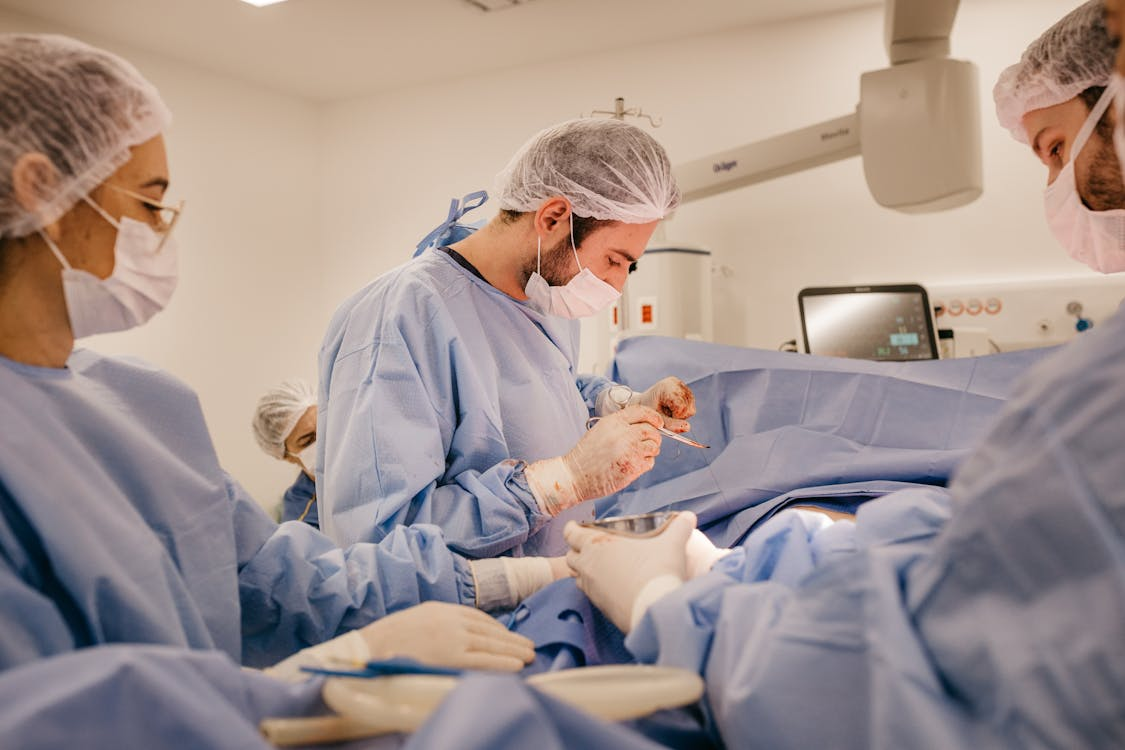
Advances in medical technology have played a crucial role in the history of modern medicine in enhancing the outcomes of patients. Many surgeries now use very complex, sophisticated robotics and laparoscopy equipment. It takes a lot of practice and training to learn how to safely run these high tech machines. Mentors are integral to passing down the torch in how to use these tools effectively. They show the correct procedures and methods to carry out minimally invasive procedures to minimize patient recovery times. They have the technical expertise to share with their mentors, which helps ensure that new surgeons are ready to implement new innovations in healthcare.
Fostering Professional and Personal Growth
A solid mentorship goes beyond the confines of the hospital. Mentors help to influence the professional attitudes and ethics of their young students. They emphasize the need to communicate with patients and families in a clear manner, particularly with regard to challenging diagnoses, such as those of colorectal cancer. These senior doctors also share their insights with new doctors on the career-related field, sharing their insight into the intricacies of the healthcare industry. Mentors demonstrate their compassion and commitment and encourage their mentees to be comprehensive and caring doctors for their own communities.
Conclusion
The continuation of medical surgery is dependent on the careful handing down of knowledge from generation to generation. Mentorship empowers medical students from anxiety to confidence and to greatness as medical leaders. Through patient guidance and direct supervision senior doctors ensure that the highest standards of care are constantly maintained. Educating valuable time at the medical level ultimately will improve the health of patients across the board. The beating heart of modern comprehensive surgical training of today is always mentorship.